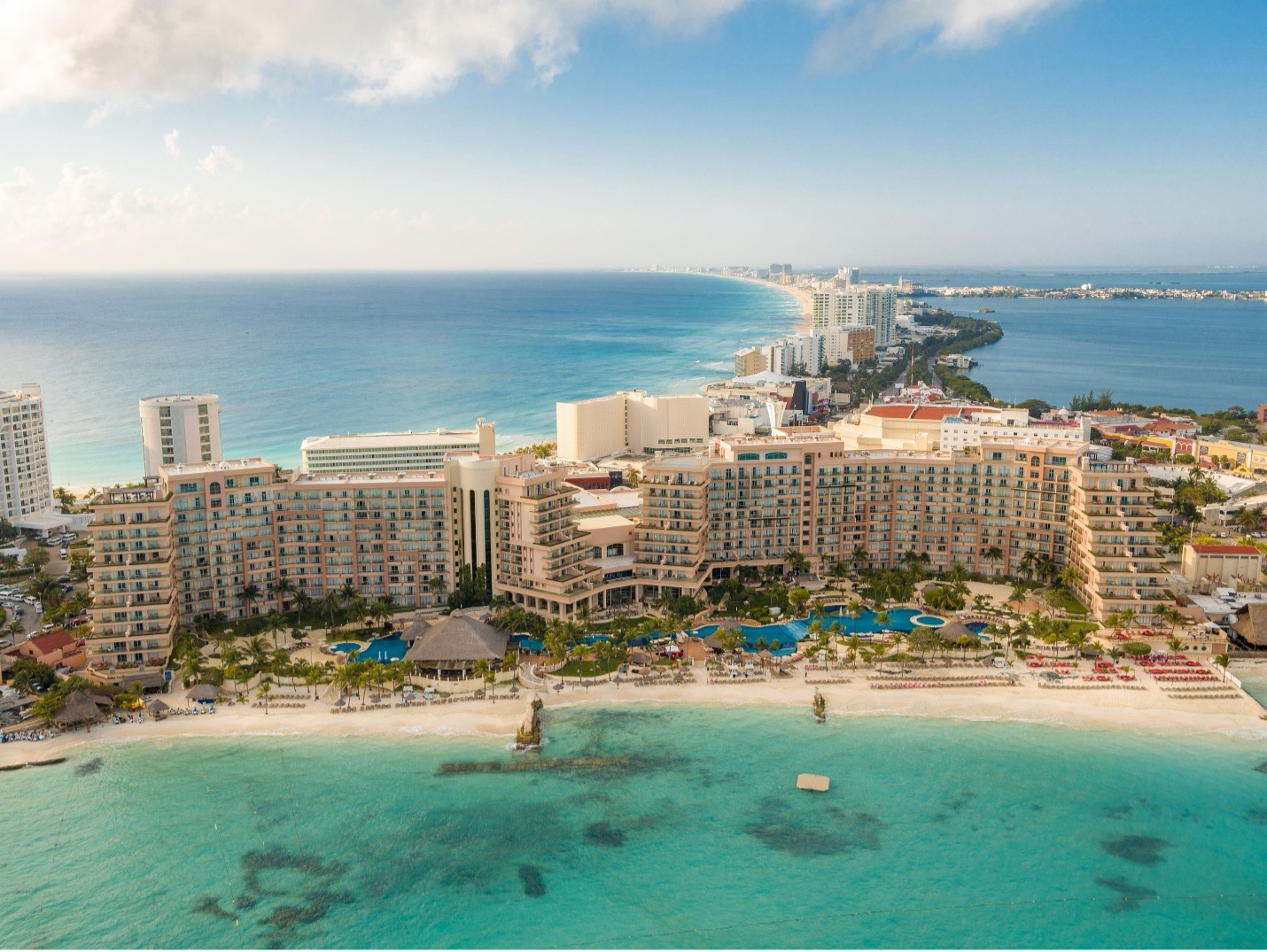
Mexico’s hotel industry is entering a fascinating new phase of growth, and increasingly it is domestic operators – not the international juggernauts – who are driving the momentum. Few companies illustrate this better than Posadas (also known as Grupo Posadas), the country’s largest hotel operator with more than 200 properties across over 60 destinations.
In my conversation with Enrique Calderón, COO of Posadas and a 27-year company veteran, what we can first and foremost remark upon is that the company’s advantage is not simply scale. It is cultural fluency. Posadas lives and breathes Mexico. The company has flourished alongside this great nation’s growth over the past five decades. And it is this wherewithal at a granular level – how different source markets like to travel, what international guests want and how hospitality experiences must evolve beyond guestrooms alone – that primes Posadas to be a true hospitality innovator.
 To speak about how Mexican hospitality itself is evolving, international travelers are no longer viewing the country solely through the lens of Cancun or Los Cabos. Calderón described growing demand for destinations such as Oaxaca, Merida, Puebla and San Miguel de Allende – cities where the appeal centers around gastronomy, architecture, local craftsmanship and cultural immersion rather than purely beachfront relaxation. Oaxaca in particular has become a global culinary destination fueled by mezcal tourism, artisan traditions and indigenous foodways, while Merida is increasingly attracting chefs blending Yucatan cuisine with international techniques. Posadas has intentionally positioned itself across these emerging cultural corridors rather than concentrating only on the ‘saturated’ resort-heavy markets.
What makes this especially important is that Posadas competes directly against Marriott, Hilton and Hyatt while remaining fundamentally Mexican in its operating philosophy. Calderón argued that travelers increasingly want hospitality experiences that feel native to the destination itself, not a copy-paste across different regions.
His comparison was simple but effective: if someone travels to Rome, they often seek out an Italian hotel experience, so why visit Mexico and stay somewhere disconnected from Mexican culture? That philosophy permeates everything from design and food programming to service delivery and experiential offerings.
The company’s brand architecture reflects how diversified Mexican hospitality demand has become. On the select-service side, brands like Fiesta Inn and One continue benefiting from Mexico’s industrial expansion and nearshoring boom, particularly in manufacturing-heavy cities where international business travel remains strong. But the real strategic focus appears concentrated in the upper-upscale, lifestyle and luxury segments where experiential travel is reshaping guest expectations.
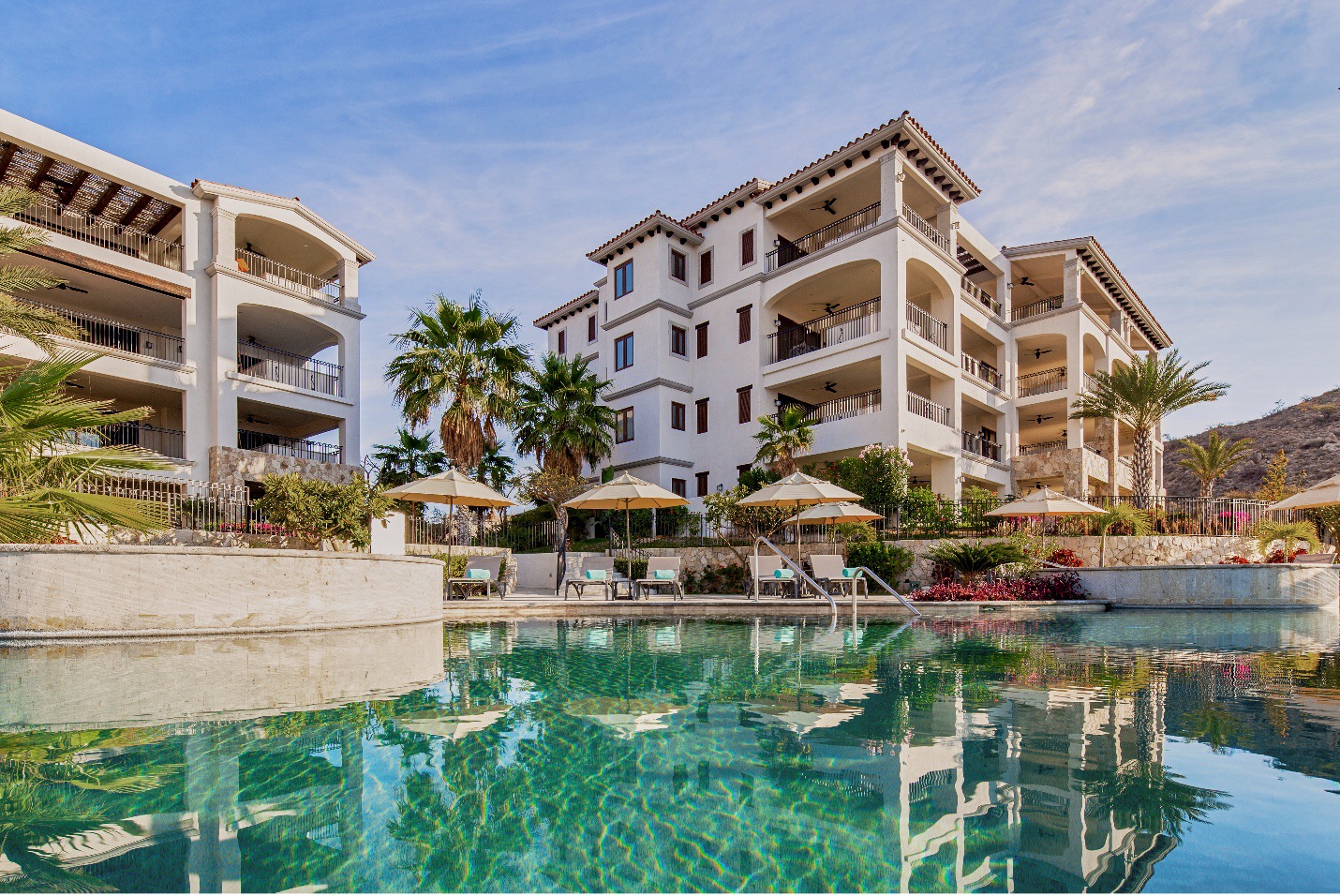
Live Aqua is perhaps a good example here. The brand is a fully sensorial hospitality concept where fragrance, lighting, music and wellness elements are intentionally orchestrated to create emotional immersion from the moment guests arrive. At check-in, guests receive a hand massage while the property’s scent and soundtrack establish a mood designed specifically for the environment.
That same philosophy is now extending into highly curated proprietary experiences across the portfolio. Posadas is launching approximately 25 new property concepts or ground-up guest experiences designed to move beyond simply selling rooms. One example of this pairs guests with chefs for visits to local markets before cooking meals together using regional ingredients. Another is a babymoon package for expectant parents that includes curated photography and videography documenting a pivotal life moment. Calderón repeatedly emphasized that the company no longer views itself as selling guestrooms first. Instead, the room has become the platform through which experiences are delivered.
The newer brands entering the portfolio demonstrate how aggressively Posadas is expanding into experiential hospitality niches. Funeeq targets multi-generational leisure travel with entertainment-heavy programming including waterparks, bowling alleys, gaming arcades and multiple restaurant concepts designed to ensure different demographics can coexist comfortably within one resort ecosystem. Devossion moves in a different direction entirely, positioning itself around life celebrations with champagne rituals, themed nightlife programming and hidden speakeasy concepts integrated into the guest journey.
Meanwhile, The Explorean may be the most compelling operationally because it reflects where luxury travel increasingly appears headed globally: smaller-scale, highly curated, experience-intensive stays rooted in nature and culture. Guests participate in activities such as cenote diving, archaeological excursions and jungle cycling in intentionally intimate group settings. The pin drop here was how high CSATs are from these properties, stemming from the entwined experiences with sense of place.
Underlying all of this is a remarkable growth trajectory. Posadas currently has roughly 30 hotels set to open within the next 28 months while also expanding into branded residences and deepening its Caribbean presence. Yet despite that scale, the company still operates with a strong sense of Mexican identity and long-term stewardship.
In many ways, that may prove to be its greatest competitive advantage and also a rallying cry for other localized hotel brands. Stay true to what makes gives your region its culture, its heritage and its passionate hospitality, and you will succeed in the new era of travel.