
Luxury hospitality has long promised exclusivity, yet the modern traveler is searching for something much deeper than just escapism. Luxury travel thrives on delivering meaning, with one aspect of that being the ability to invoke a renewed sense of wonder. Humans were built for wonder, after all. Curiosity, exploration and discovery have shaped our evolution for hundreds of thousands of years, rewarding us with moments of awe that expand our perspective and remind us there is still more of the world to experience.
Yet in an age of rampant globalization and standardization in hospitality (read: “Great Hotel Blanding”), those moments of awe and oneness with the world have become surprisingly rare. Restoring wonder may therefore become one of the defining opportunities for ultraluxury hospitality over the coming decade, and few brands embody this philosophy more naturally than Awasi.
Rather than positioning itself around lavish accommodations alone, this South American ultraluxury lodge collection has quietly built its reputation around helping guests experience places that still feel genuinely wild, authentic and profoundly human. During a recent conversation, Nicolas Peluffo, CEO of Awasi, described the brand not as a collection of hotels but as a ‘platform for experiences’. It’s a subtle reframing but nevertheless important because it shifts the focus away from only structures and FF&E, and toward the memories guests ultimately take home.
Central to that philosophy is Awasi’s signature concept of one villa, one guide and one vehicle. Every stay begins with a conversation rather than a predefined itinerary. Guests meet their guide at the airport, discuss their interests, study maps together and build each day’s explorations around weather, fitness, wildlife opportunities and personal curiosity. Because the same guide remains throughout the stay, every conversation builds upon the last. Then what begins as service gradually becomes a relationship, allowing the experience to evolve naturally instead of following a predetermined schedule.
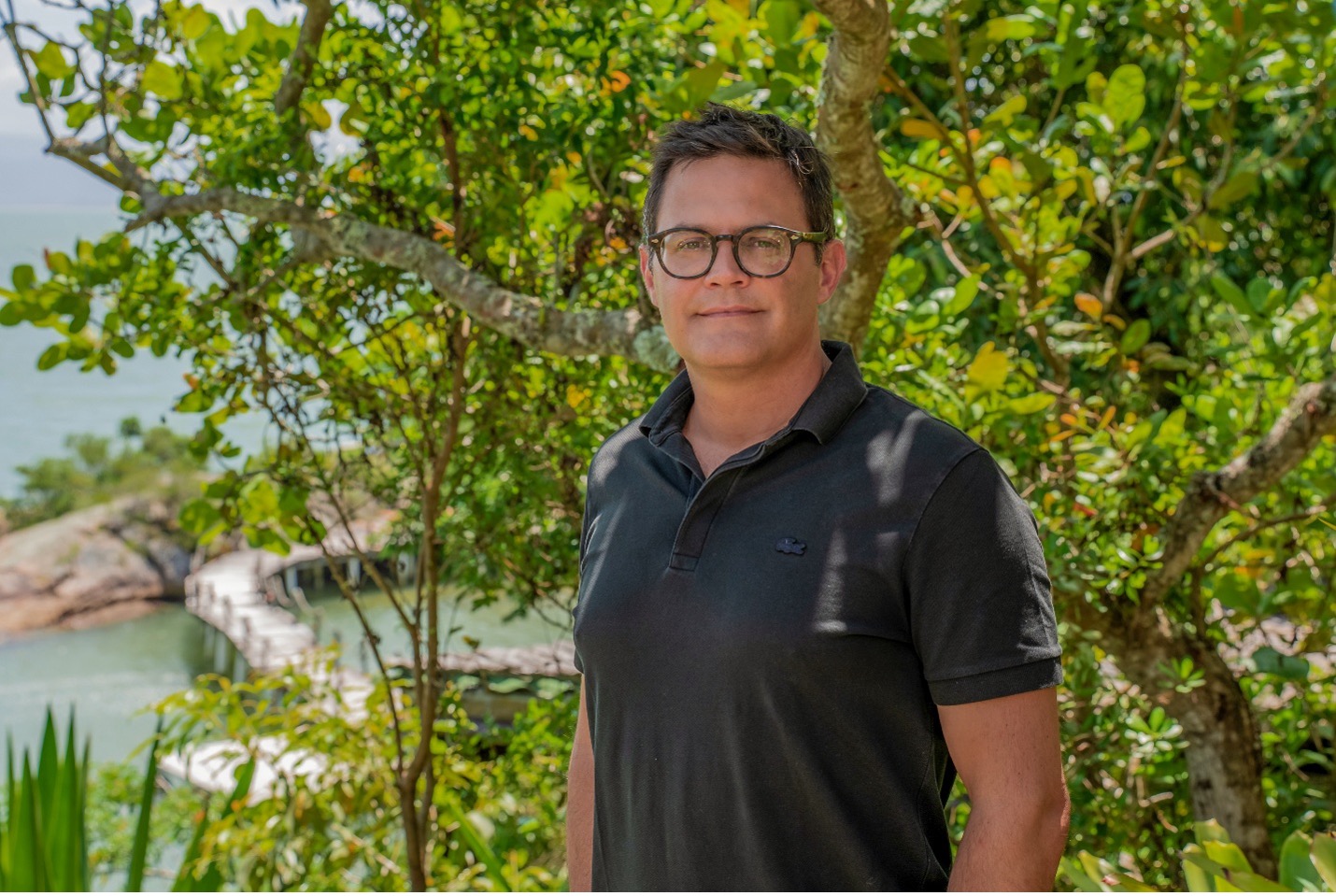
Peluffo shared one story that perfectly illustrates this approach quite beautifully. During an excursion in Patagonia, a guest casually mentioned how much he missed his grandfather. He reminisced about receiving a single dollar every Sunday as a child to buy tiramisu, which the family would then share together. The guide simply listened and said nothing.
Later that afternoon, the guide quietly told the chef, who admitted that tiramisu wasn’t normally prepared at the lodge. The chef contacted a colleague in Europe to relearn the traditional recipe before dinner service. That evening, dessert arrived with a separate menu containing only one item: tiramisu. Resting beside it was a single dollar bill.
The guest burst into tears. Nothing about that gesture involved extravagant spending or theatrical presentation. Instead, it demonstrated hospitality’s greatest luxury: making someone feel genuinely appreciated as a real human being.
As another point worth citing, Peluffo also reflected on recently visiting several iconic American national parks with his family. While breathtaking, many have become so heavily developed and crowded. There’s majesty but no awe, no sense of the vastness of this great earth. Patagonia offers something increasingly different by comparison. Visitors can spend hours surrounded by mountains, glaciers and grasslands without seeing another person or any visible human infrastructure. It becomes remarkably easy to imagine standing in a landscape that has changed little over centuries. And it’s precisely that feeling of remoteness has become one of luxury travel’s most valuable assets.
Each Awasi property restores wonder in a different way without ever feeling formulaic:
- The location in the Atacama Desert in Chile draws inspiration from the ancient Tulor settlements through its circular adobe villas, while also immersing guests in one of the world’s driest and most dramatic ecosystems.
- Awasi Patagonia combines breathtaking scenery with meaningful conservation through a 7,000-acre private reserve that protects wildlife corridors for pumas.
- Aswai Iguazu extends beyond the famous waterfalls (that make Niagara Falls look small by comparison!) by deepening relationships with nearby Guaraní communities, allowing guests to experience Indigenous culture through local food, craftsmanship and storytelling rather than staged performances.
- At Awasi Mendoza, private meals with multigenerational winemaking families transform a vineyard visit into an intimate lesson about perseverance and heritage.
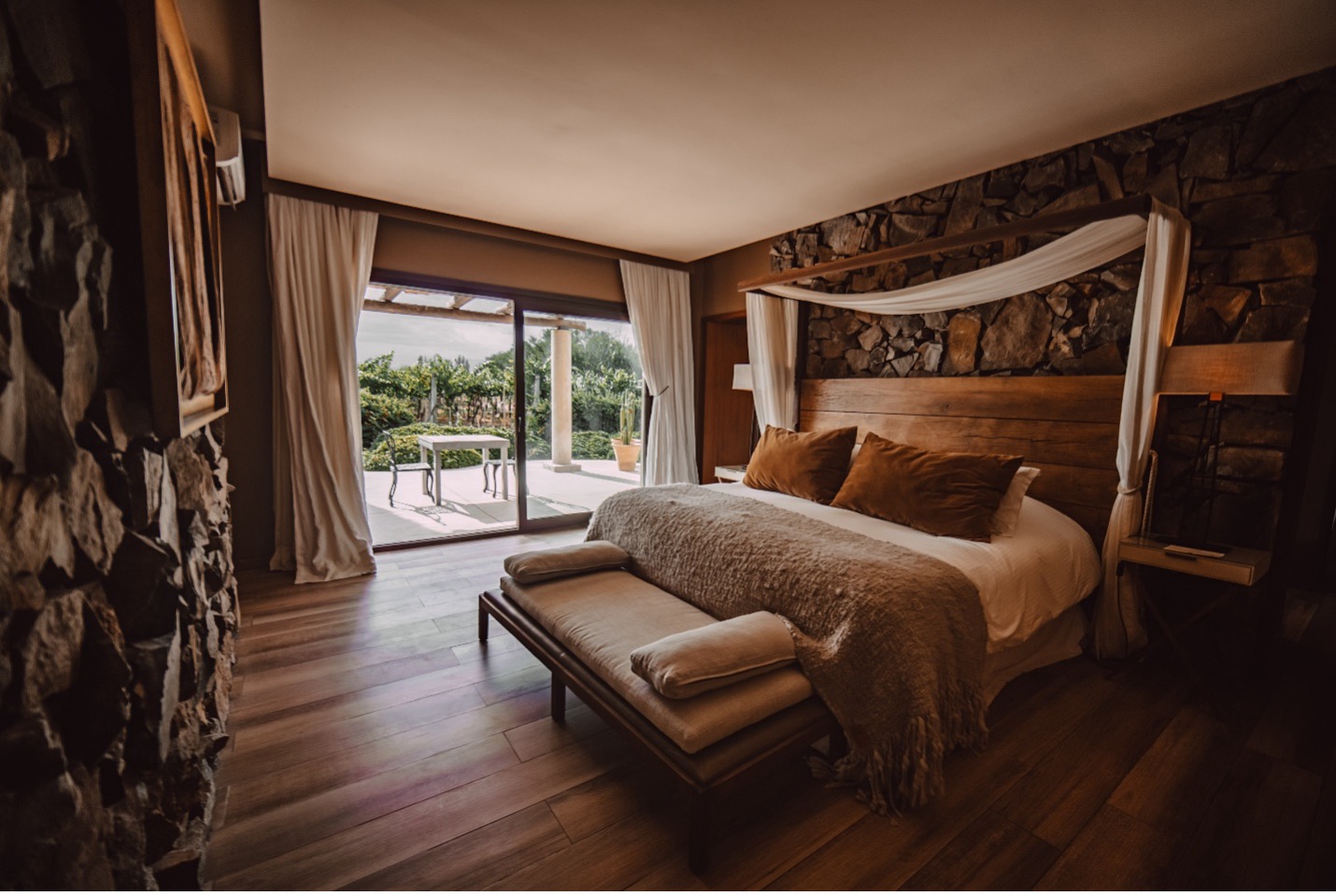
This emphasis on stewardship also explains why the company continues investing beyond its hotel walls. Conservation projects, partnerships with indigenous communities and support for local producers are not peripheral sustainability initiatives added for marketing purposes. They preserve the very characteristics that make each destination extraordinary.
In many respects, restoring wonder also requires protecting it, ensuring these landscapes and cultures retain their distinctiveness for future generations rather than gradually becoming homogenized by mass tourism.
Looking beneath the surface, Peluffo’s description of Awasi as a platform for experiences also reflects a sophisticated operating philosophy. Hundreds of employees, complex logistics and advanced technology systems quietly coordinate remote properties spread across multiple South American countries. Yet guests rarely notice any of this complexity because they are not supposed to. Technology serves the experience rather than becoming guest-facing, allowing genuine human connection to remain at the center of every stay.
Perhaps the clearest evolution of this thinking can be found at Awasi Santa Catarina – the fifth property in the collection – where the company recently launched its Active Wellness and Longevity program. While much of the wellness industry increasingly focuses on diagnostics, biomarkers and biohacking, Awasi instead emphasizes movement, nutrition, nature, restorative sleep and sustainable habit formation. The objective is not simply to improve a guest’s health during their stay but to inspire the routines that they will continue after returning home.
This broader philosophy suggests another way to think about luxury hospitality. Healthcare increasingly speaks about healthspan rather than simply lifespan, measuring the years we remain healthy rather than merely alive. Hospitality may benefit from adopting a similar concept that might jokingly be called ‘joymaxxing’ in today’s parlance, but is perhaps better described as joyspan.
Joyspan measures how long those meaningful travel experiences continue enriching our lives after they occur. A week spent hiking through Patagonia, sharing dinner with an Argentine winemaking family or establishing healthier daily habits in Brazil can influence someone’s outlook for months or even years.
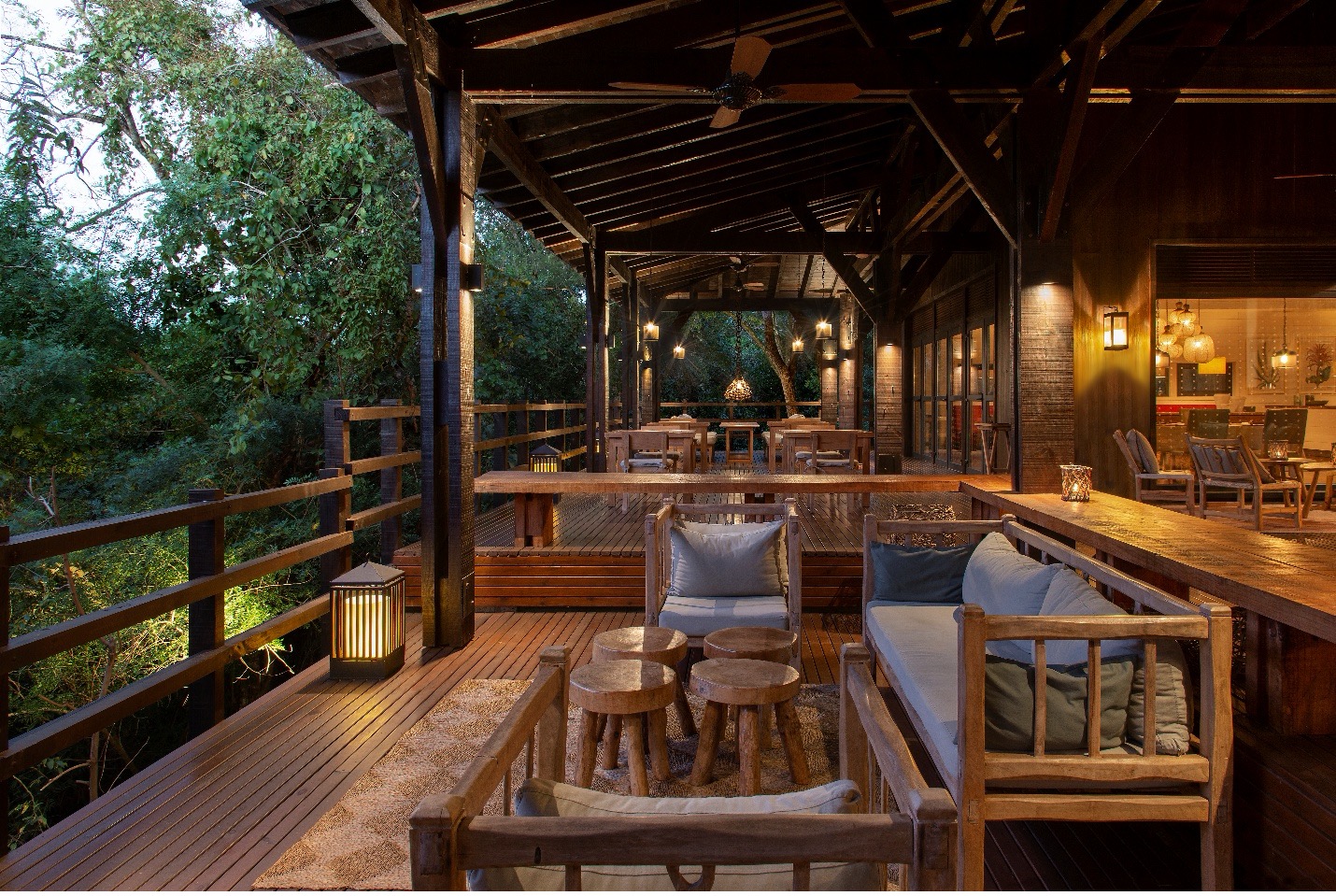
Overall, Awasi demonstrates that the future of ultraluxury may have far less to do with marble bathrooms, ever-grander suites or increasingly elaborate amenities. Those elements still matter, but they are no longer sufficient to create emotional distinction in an increasingly competitive marketplace. The greatest luxury may instead be helping guests reconnect with something modern life steadily erodes – a genuine sense of wonder.
Humans have always yearned to explore unfamiliar places, meet remarkable people and experience landscapes that reshape how they see the world. The finest hotels don’t merely provide access to those moments; they protect them, steward them and quietly amplify them through thoughtful hospitality. In doing so, Awasi reminds us that luxury isn’t ultimately measured by what surrounds the guest. It’s measured by how profoundly the experience changes guests after they return home.